扶貧復明

Jul 21 2015

連山“扶貧復明”活動分享 (孔懷英)

連山“扶貧復明”活動分享


題記


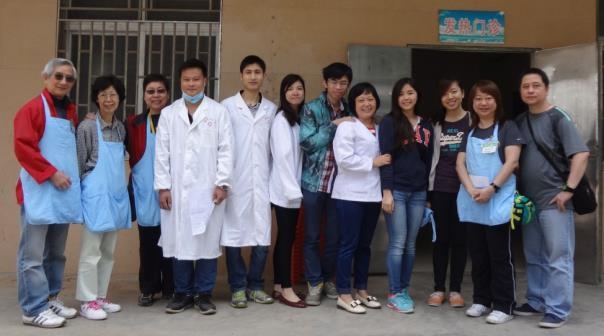
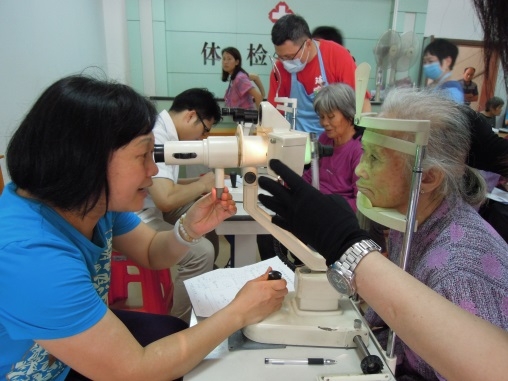
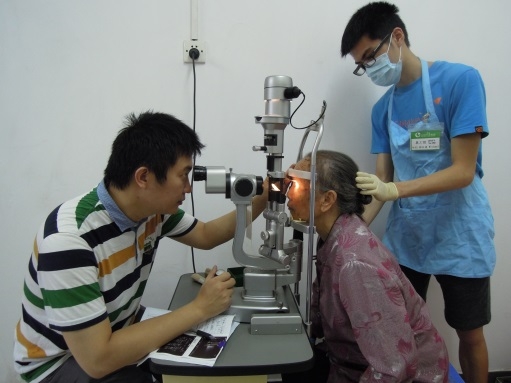
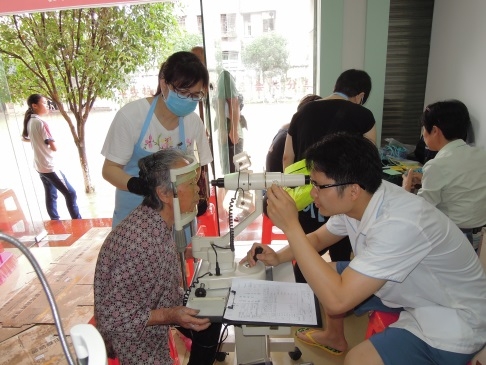
2015年6月8日- 16日,香港力行植林慈善基金會繼續捐助連山壯族瑤族自治縣,免費為貧困白內障患者進行“扶貧復明”活動。


香港力行植林慈善基金會代表關組長和她的大姐雙雙做義工,她們和其他力行義工、新希望眼科醫護人員一起竭誠為患者服務,她們的愛心行動,深受患者稱讚,故提筆寫幾句,記下歷史的瞬間。


鷓鴣天

又是一年六月天,炎熱難入眠。

力行希望再扶貧,山民眼復明。

姊妹雙雙當義工,付出是真誠。

幾進山城幾許愛,為民最熱情。

香江連山皆兄弟,希望共振興。


連山殘聯 孔懷英

2015年6月15日


註:

力行 – 力行植林慈善基金會

希望 – 新希望眼科醫院

Comments Off

Jul 06 2015

2015年6月 連山壯族瑤族自治縣 〝扶貧復明〞 工作報告

20156 連山壯族瑤族自治縣 〝扶貧復明〞 工作報告


合辦單位


連山壯族瑤族自治縣殘疾人聯合會:派出6名工作人員


連山壯族瑶族自治縣衛生和計劃生育局:派出3名工作人員


新會新希望眼科醫院:派出 3名醫生、4名謢士及2名司機


力行植林慈善基金會:派出香港義工12名及2名內地義工


篩查階段


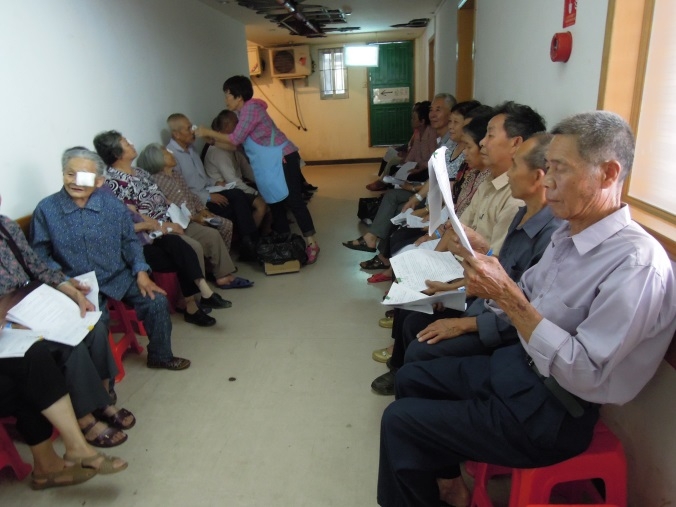
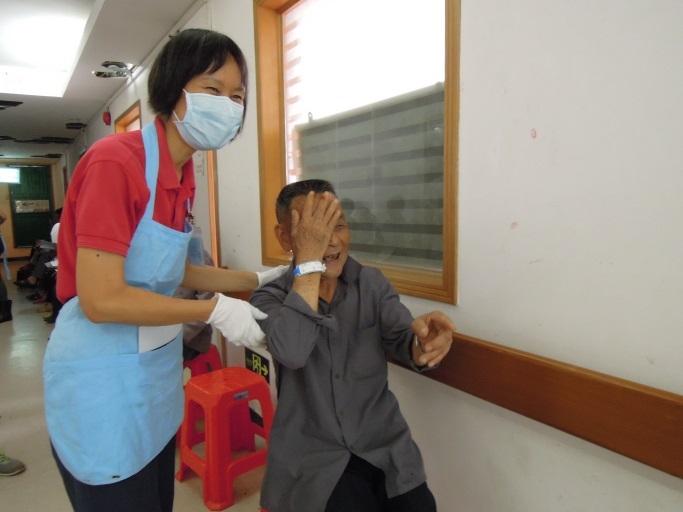
為幫助偏遠山區貧困白內障患者可盡早重見光明,連山縣殘疾人聯合會、力行植林慈善基金會義工與新會新希望眼科醫院醫療隊,於2015年6月8日一11日走訪連山7個鄉鎮進行義診篩查,經過4日篩查,共為1,487人義診,即塲發出預約白內障手術通知172人,胬肉手術通知26人,另有2名分別3歲及6歲女童先天性白內障患者,需要安排到新希望眼科醫院進行手術,費用獲基金會資助。


義診日期

篩查地點

篩查人數

預約白內障手術

預約胬肉手術

6月8日

上午一永和鎮衛生院

311人

39人

7人


下午一福堂鎮衛生院

200人

26人

3人

6月9日

上午一上帥鎮衛生院

152人

9人

1人


下午一小三江鎮衛生院

293人

31人

12人

6月10日

上午一禾洞鎮衛生院

102人

10人


下午一太保鎮衛生院

152人

21人


6月11日

吉田縣衛生局 和

計劃生育局

277人

36人

3人

手術期間

門診檢查

吉田縣衛生局 和

計劃生育局

122人


1,609

172

26


手術階段


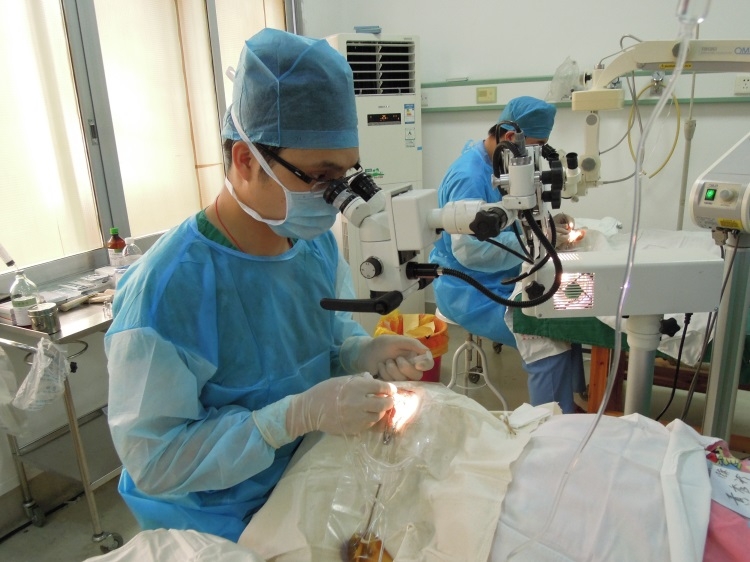
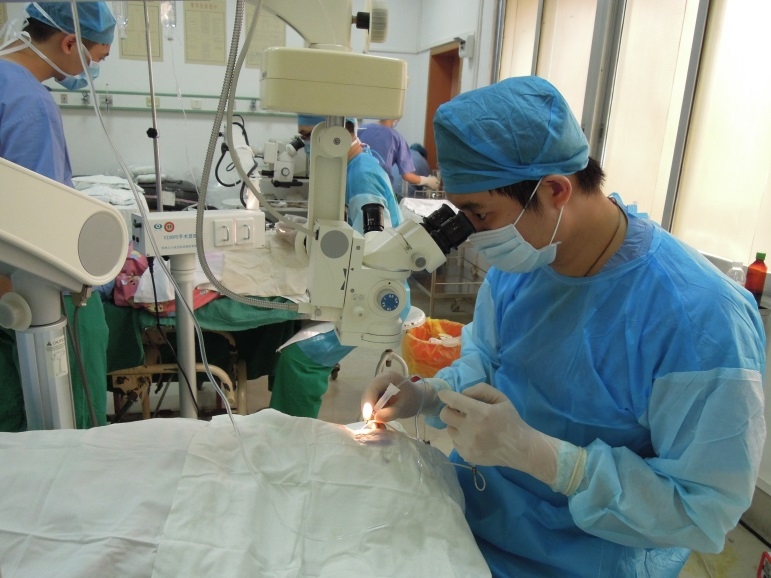
2015年6月12 -16日,安排手術車停泊於吉田縣衛生局和計劃生育局,為期5天手術,共為153人進行白內障復明手術,另為25人進行切除胬肉手術,由於是次活動義診及適合手術人數眾多,今次手術期出席率達95%,由於今次名額有限,所以在義診篩查時,適合手術人數很多,超出預期數量,只能選擇較差雙盲或眼前指數患者接受手術。


是次篩查及手術工作得以順利完成,實有賴縣殘聯、各鎮政府、各鎮衛生院及有關單位全力配合和支持,在此衷心感謝。


本次手術經費:感謝 永義(香港)有限公司 贊助


後記

今次為期7天工作裡,跟我一起工作無論義工、醫療隊、國內所有工作人員,大家都工作時認真,工作完大家說說笑笑,所以活動期間氣氛很好。雖然很忙,但大家都能輕鬆面對,故來義診群眾都被感染。合作伙伴連山縣殘聯、各鎮政府及衛生院都如往年一樣工作認真盡力配合,原來大家有共同目標和心態一同出發,過程雖勞但不覺累。


每次都遇到可惜事情,永和鎮有一名13歲男孩有一隻眼患先天性白內障,父母都是農民,靠耕種維生,因缺乏常識,一直都不察覺兒子有問題。去年升初中後被老師發覺,才去檢查,診斷為先天性白內障。義診期間母親焦慮帶他來看,但經數名醫生診斷,都確定發覺太遲,錯過醫治時間,自小看不見眼底沒有發育,沒有光感就算進行手術,效果不大,但母親不想放棄,在手術期間前來好幾次,得到同樣答覆,只好失望地離開。


義工 關綺媚

2015年6月21日

Comments Off

Jul 06 2015

2015年5月 陽山縣“扶貧復明”活動 義工分享 (張雪晴)

Published by under 扶貧復明,陽山縣

2015年5月 陽山縣“扶貧復明”活動 義工分享 (張雪晴)


在五月十七至二十二日,有幸能成為力行“扶貧復明”義工的其中一員,踏足清遠市陽山縣,體驗一連六日的義工服務。


在短短的六日當中,技術精湛的醫療團隊成功完成了150個白內障手術及19個胬肉手術,即平均每天有多大28名長者因著手術而獲得生活莫大的改善。這些長者們可能是長時間經歷白內障的困擾,視力每況愈下,晶體越來越渾濁,甚至完全失明,這些重擔自然落入家人的身上。然而,他們只是在短短一至兩天的檢查和手術當中,生活質素便可以隨著手術的成功帶來戲劇性的變化,由黑暗進入光明中。


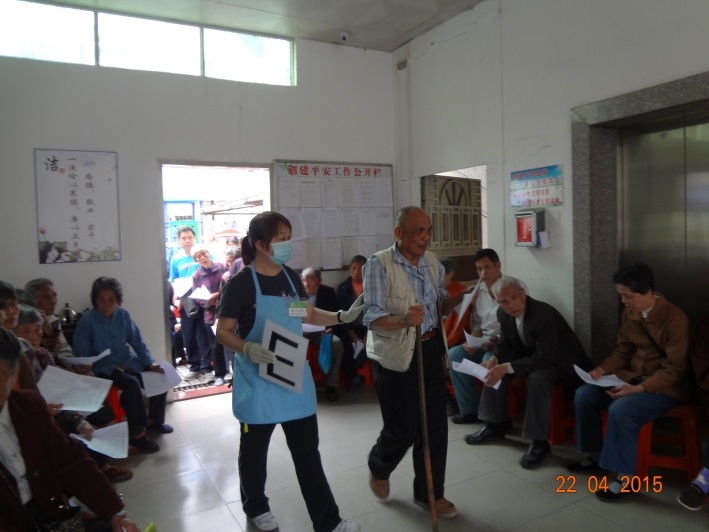
其中一幕是長者們沿著走廊坐下,一個跟著一個接受視力檢查。一日之前他們還是連做檢查也會緊張和不安的老人家;今天在發光的燈箱前,卻能自信地用手指出“E”開口的方向,快而準!看見他們成功通過“考試”,能帶著不一樣的眼睛回家,原來能讓人如此滿足。


黝黑的皮膚,黑白參半的髮絲,緩慢的腳步,這些都是一眾基層農民的長者的標記。更令我難忘的是其中一日,一位白頭翁背著另一位比他年紀更老邁的白頭翁,帶他到床邊坐檢查。即使自己年紀不小,但也堅持要帶家裡的老人家來接受治療。以上的畫面加上各位義工投入地服務,生出了一幅老吾老以及人之老的畫面。特別招攬的醫護團隊,香港及內地義工專程的到訪,都單單為了這地方的老人家。醫護人員技巧純熟地做檢查,義工們小心翼翼地用雙手拖帶著老人家走每一小步,她們每一個的笑容彷彿也是對著自己的家人一般。


在六日當中能嘗試不同崗位,在當中看見不同崗位互相配合,看來獨立工作卻又密不可分,人手不足時又能互補不足,這都是義工們過往多年累積下來的經驗。在傾談之間,說到白內障手術以及人工晶體種類的選擇,讓我驚訝到的是原來在人看來簡單平凡的復明行動當中,每一個選擇與決定也是經過深思熟慮的。正如晶體,手術形式的選擇,也要詳細考慮到當地的設備,醫生的技術,成本與效果的考慮,而並不是最先進最高成本,便能給被服務的對象帶來最大的益處。


能由頭到尾參加在當中,確實是一個十分難得的機會。由一開始一頭冒水,到欣賞當中有系統地安排,令我初探一個機構如何運作一個服務。當中的義工也讓我學會要更謙卑的服侍,用眼睛笑容更深體察別人的需要和感受,是值得一生學習的一門功課。


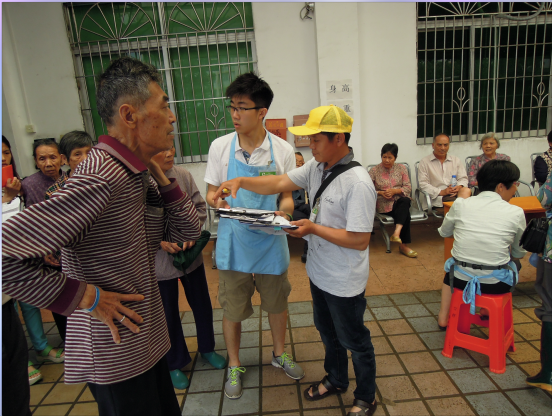
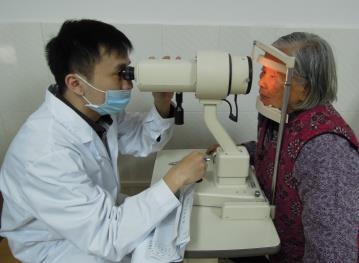
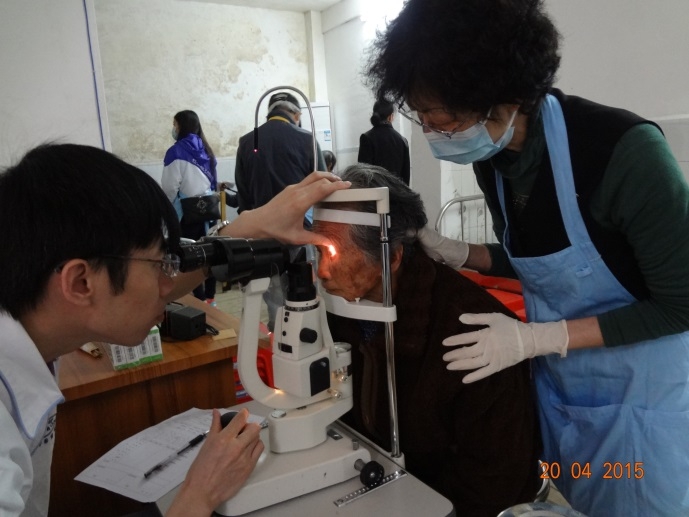
一名長者正進行視力檢查,義工從旁協助。


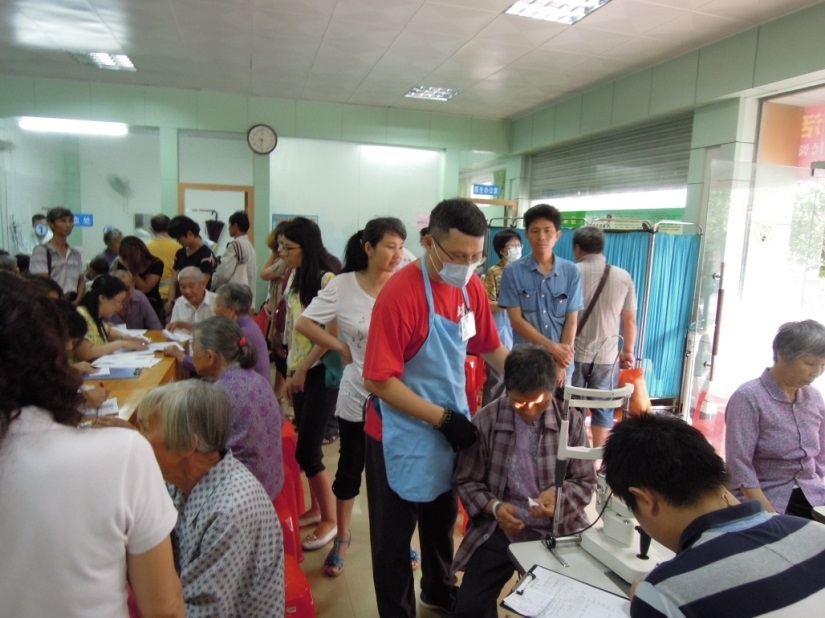
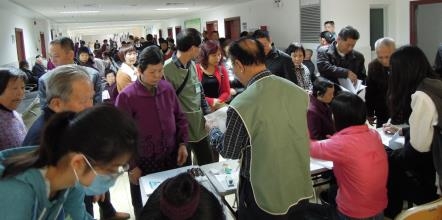
長者們沿著走廊坐下,一個跟著一個接受視力檢查。


義工們小心翼翼地用雙手拖帶著老人家走每一小步,恍如跳舞一般。


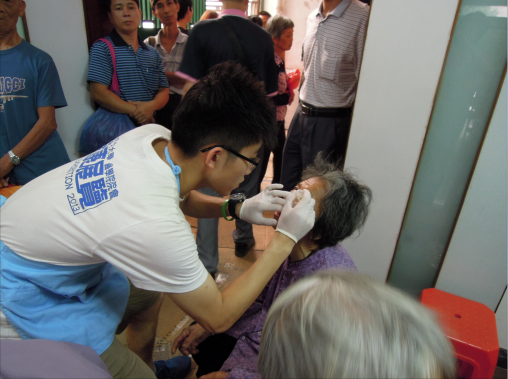
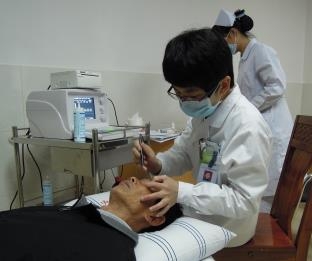
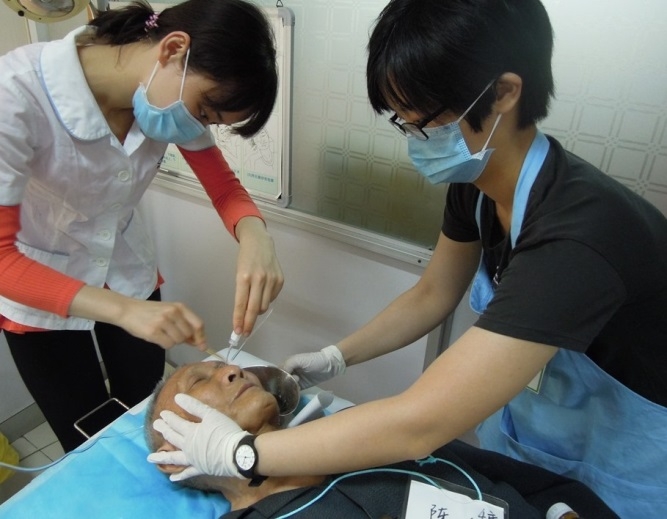
一名醫療隊的醫生正進行淚道冲洗。


義工 張雪晴 (香港中文大學 醫科二年級)

2015年6月23日

Comments Off

Jul 06 2015

Reflection on Yangshan Cataract Surgery Trip (Lam Ka Wing Kevin)

Published by under 扶貧復明,陽山縣

Reflection on Yangshan Cataract Surgery Trip (Lam Ka Wing Kevin)


This cataract surgery trip to Yang Shan from 16th to 23rd May can be said as a “sequel” to my previous cataract screening trip in September last year.


My duties and responsibilities involved distributing cataract patients’ information to other volunteers in charge, directing patients to appropriate pre-surgical check-up stations, applying eye drops to patients awaiting further eye examinations and transporting blood samples to laboratory and collecting their reports. Sometimes when the occasion became busier, I had to be the substitute for others’ duties. This manifested the need to be observant of the general workflow and responsibilities of others at all times to avoid confusions. I observed that every volunteer’s duties are paramount to the organised and smooth workflow, and any negligence would potentially lead to disruptions to the efficiency. This perhaps was a challenge to every volunteer’s perseverance and patience, of which we often lack. However, these qualities became spontaneous with the environment in which everyone else was so unremittingly determined in their tasks.


I was carefully applying Eye drop to a cataract patient


I was ready to bring patients for X-ray check up


On the second last day, I was offered an opportunity to observe cataract surgery of 3 patients. The surgeon kept explaining the steps that he was undertaking and the relevant anatomy whilst he was performing the surgery, especially during removal of a cataract lens and implantation of an intraocular lens. I really profited a lot from such observation, and it was truly a second-to-none experience to me. After the surgery, the gleeful smiles worn on the patients’ faces moved me to tears, as they could eventually regain the window to the soul.


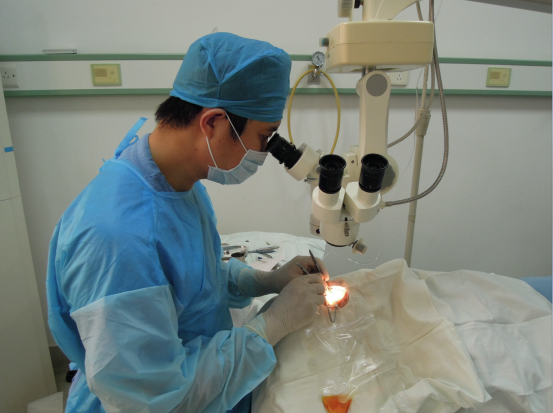
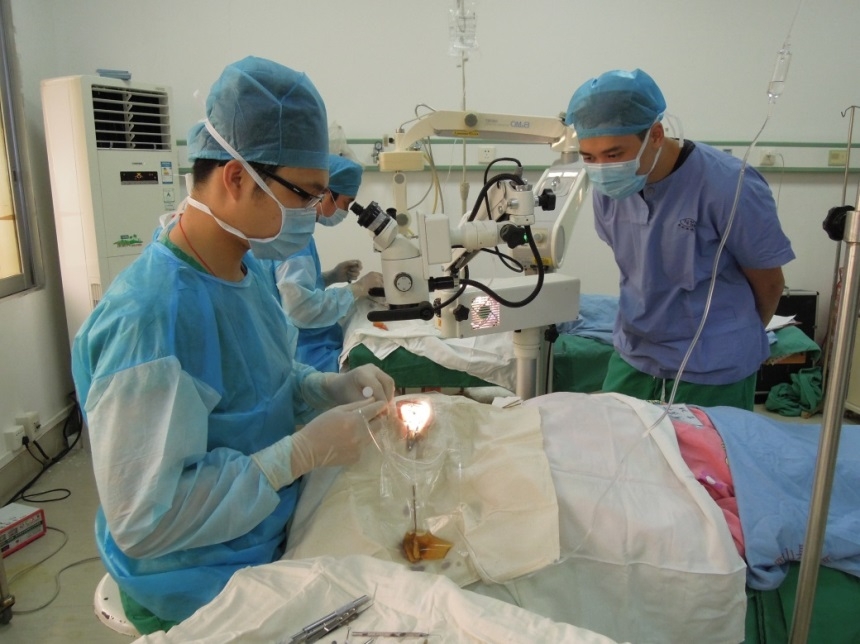
The doctor was performing cataract surgery on a patient. He explained clearly and interestingly step-by-step what he was doing throughout the course


From this trip I was also able to observe the environment of the healthcare setting and compare it to that of Hong Kong. Comparatively, the hospital in Yang Shan was less hygienic and had less advanced equipment, yet what drew my respect was the collaboration amongst the healthcare professionals and their warm care for patients.

All in all, participating this trip has deepened my understanding of the local needs and healthcare conditions, and have made me further comprehend the importance of a caring and sympathetic heart, especially when it comes to interacting with those elderly patients. The service trip entailed much invaluable opportunities to gradually prepare myself for working in the medical field in future years. As Rome was not built in one day, a continuous cultivation of relevant qualities as a future medical professional is prerequisite, and this trip seemed to serve such purpose effectively.


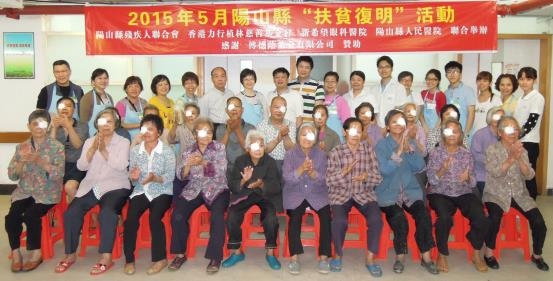
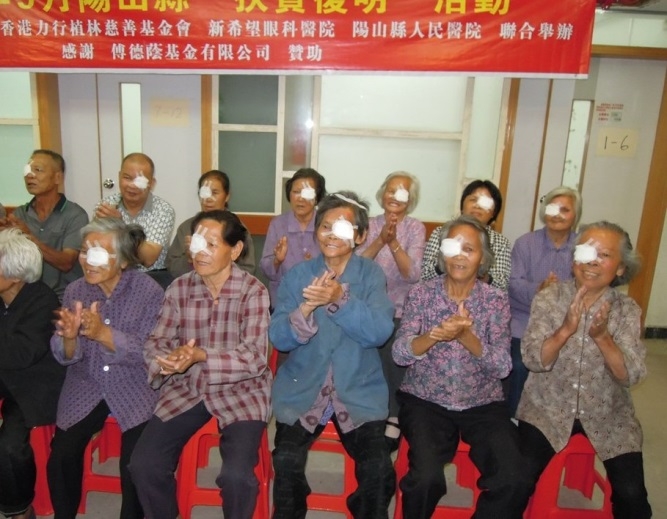
These are the patients who have successfully undergone the cataract surgery, regaining their vision


Lam Ka Wing Kevin (CUHK Year 2)

Comments Off

Jun 18 2015

2015年5月 陽山縣“扶貧復明”活動 義工分享(賴伯殷)

Published by under 扶貧復明,陽山縣

20155 陽山縣扶貧復明活動 義工分享賴伯殷


這四日三夜的服務團的確不長,但學到的,看到的,聽到的卻很多。


第一天,我們花了半天的時間從香港乘車到清遠市陽山縣。但到第二天,我才真正了解到當地農民的境況。他們大多行動不大方便,說話和聆聽均不大靈光,身上的唐服亦頗為殘舊,踢著「解放拖」。我一直認為廣東省是中國數一數二富有的省份,想不到離繁華的清遠市只有一個多小時車程的陽山縣卻這麼貧困。我們香港人常常投訴內地人財大氣粗,大魚大肉,更反襯出內地的貧富懸殊,城鄉差異,希望中國政府能正視及改善這些問題,而不是盲目追求經濟目標。


而另一件讓我大開眼界的就是當地醫院及力行義工,分配有限資源的能力。


小小一個一百平方呎體檢中心卻能集核實資料、量血壓、量血糖、心電圖、抽血,照眼底鏡、AB超等於一身,一個早上便能為四十多名病人作入院檢查,實在了不起。而力行義工團隊成員間的默契,對程序的了解,令整個住院、手術、手術後檢測,出院的過程倍加順暢,讓我明白到持續性義工服務的重要性,只有堅持及不斷改良,才能令一項義工服務更有意義,更有價值。


跟來自海南的心電圖專家合照。


一個「麻雀雖小,五臟俱全」的體檢中心。


一個醫生每天早上能為十多個病人做手術讓他們復明。


凡事最難就是跨出第一步,後來就會發現它的樂趣。


做醫生希望能看到病人重見光明, 更希望看到他們學懂照顧自己。


義工 賴伯殷 (香港中文大學 – 醫科三年級)

2015年6月9日

Comments Off

Jun 18 2015

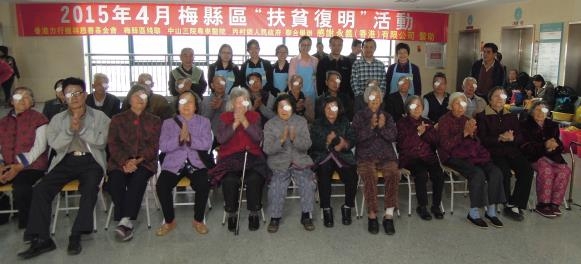
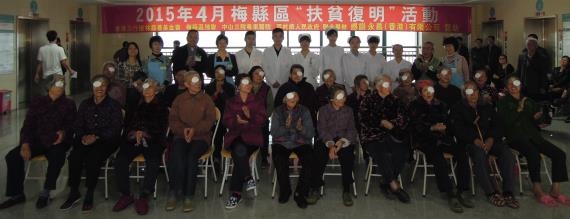
2015年4月 梅縣區 “扶貧復明”活動工作報告

Published by under 扶貧復明,梅縣

20154 梅縣 扶貧復明活動工作報告


合辦單位:


力行植林慈善基金會,梅縣區殘疾人聯合會,中山三院粵東醫院,


丙村鎮人民政府


下鄉篩查階段 :


於2015年3月18日,19日,20日三天,梅縣區殘疾人聯合會人員聯同中山三院粵東醫院眼科醫療隊,走訪了梅縣區13個鄉鎮,為農村眼疾患者673人進行義診檢查,並即場發出90位預約手術通知給初步符合手術條件的白內障患者。


手術階段:


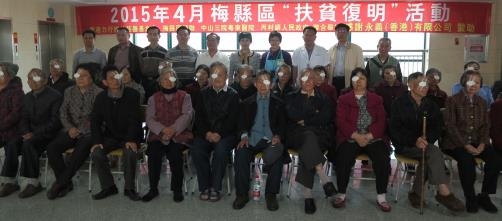
手術階段於2015年4月13日至17日在中山三院粵東醫院進行,前來接受檢查的患者有151人,其中適合手術的有112人,經體檢未能適合施術的有15人,完成免費施術的有97人。


“扶貧復明”活動得到當地政府和有關單位的大力支持配合,除了梅縣區殘聯派出人員現場辦公外;力行植林慈善基金會組織香港義工7人,廣州義工3人,梅縣義工3人,負責開診期間每天的工作,做到每一個環節關照貧困白內障患者為先,耐心詢問,協助解決他們的困難。受惠患者及家屬在出院時連連向工作人員感謝,祝福,有些受惠患者更因為能夠重見光明而表現激動。


梅縣區人民政府副區長李丹玲親臨現場關懷、看望貧困白內障患者,並慰問各義工及醫護人員,梅縣電視台現場採訪並於新聞的節目中作出報導。


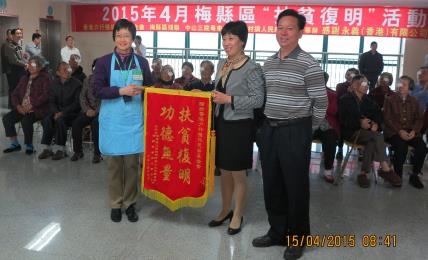
梅縣區人民政府殘疾人工作委員會,梅縣區殘疾人聯合會 - 致送給力行植林慈善基金會錦旗一面;書云:扶貧復明功德無量


本次復明手術費用:感謝 永義(香港)有限公司 贊助


工作人員的辛勞,換來了每天早上出院的復明者和家屬的笑容,聲聲的感謝。


幫助患者早日復明,可即時改變那原已近乎無望的人生;再次看到這個世界,重見親人,復明後能自己照顧起居生活,減輕家人負擔,改善生活困境。


衷心感謝各合辦單位及所有參加人員,大家付出了專業精神和無私的奉獻;使“扶貧復明”活動達到預期效果,順利成功。


力行植林慈善基金會 眼科工作組

2015年4月26日


Comments Off

Jun 18 2015

Glassy- Eyed Reflections ,April, 2015(Lam Ming Yin Alison)

Published by under 扶貧復明,梅縣

Glassy- Eyed Reflections April, 2015Lam Ming Yin Alison


Having withstood the temptations of service trips for fear of failing Specialty Clerkship, it was only lunching with Dr Callie Ko and other students as part of the Women Doctors Association Mentor Mentee Program and hearing about her stories of the Orbis Flying Eye Hospital that inspired me to simply get up and go. Armed with that much-needed push through the doors of Queen Mary Hospital, I set off with fundoscope in one hand and stethoscope in the other (no harm getting some clerking done along the way!) for a program offering sponsored cataract operations to the under-served in Meizhou (梅州), China.


Not knowing what to expect at seven in the morning on my very first day, I arrived Yue Dong Hospital only to find myself engulfed by hordes of villagers who had long since arrived from towns as far as three hours away - every one of them anticipating an end to what must have seemed like a lifetime of stumbling through haziness (walking into pillars/people bleary-eyed). As I maneuvered my way through clans of anxious relatives, taking in the hopeful smiles of cloudy-eyed patients while being careful not to step on the plastic water buckets strewn across the floor (the use of which I will divulge later), it soon became apparent to me that screening them for hospital admission was just one single step out of a service line that had started long before I came, beginning with recruitment and preliminary rounds of assessments in remote villages scattered across the Meizhou county. Most important of all, seeing how far these patients have come both figuratively and physically with the help of so many volunteers ahead of me opened my eyes to the impact of our responsibilities in pre-operative assessment. Determined to retain as many of our recruits as is medically possible, I set up camp at once with my blood pressure monitors, Snellen charts and hemesticks, and opened the doors to the first surge of eager patients. Let the screening begin!


The remaining hours of the morning would be spent in useful employment, rotating feverishly between performing health checks and shuttling patients from room to room. And yet, amidst all this enthusiasm flowed an undercurrent of uneasiness, with the fear of being rejected for surgery looming over the patients’ families as they paced back and forth along the corridors outside the assessment rooms. Inside, any apprehension the elderly might have felt translated into the all-trusting, polite smiles they gave me as they held my hands in gratitude. To them, we represented their final hurdle, the key to the only source of light they could afford. At that moment, my heart sank as their systolics rose and rose against my will, and out of desperation more than anything else, I helped them take off as many sweaters as I could, leaving their arms bare but for the thin traditional cotton shirt most Hakka women wear. Knowing full well the futility of my request, I asked them to relax and wait for a second measurement before turning to the next batch of nervous-looking patients. When it was clear that, after persistent attempts, white coat jitters was only the tip of their hypertensive iceburg, we had no choice but to bid them farewell, our parting words of encouragement to seek proper medical advice met by nothing but a dejected nod.


Seeing off successful recruits as they were escorted upstairs to prepare for surgery with buckets in tow (it didn’t take me long to discover its use as a suitcase for pajamas and other inpatient amenities) would always be my happiest memory of the trip; I experienced the sweetness of fulfillment that could only come from having a role-however small- in helping people see properly again. However, subsequent thoughts of having singlehandedly let down the unfortunate only sought to pick apart that fragile sugary coating, leaving me with nothing but a bitter aftertaste. Having to operate on the same level of optimism for each of the patients in this never-ending line became increasingly difficult as the number of rejections rose. What only took half a day from start to finish would already feel like a lifetime, and each new day became a mental exercise in itself. On the final day of service the defeatist gnarl in my stomach hit home, and for the first time, I learnt of the weight medical professionals, or ophthalmologists in this case, carry upon their shoulders in face of unpleasant situations.


It was not so much the success cases as the rejections that made me feel acutely the ridiculous sense of entitlement many in Hong Kong possess (including myself). With all the positivity I had hinging on a situation beyond my control, I was starting to understand how much more of a roller coaster ride it would be for me emotionally as a future doctor. Visiting newly recovered patients only served to give momentum to a cruel descent as I hurtled down from the peak of satisfaction upon seeing failed recruits stumble home empty-handed. I would have easily fallen into a pit of cynicism, were it not for the wise words by doctors at the Careers Talk organized by the WDA. In preparing us for the ups and downs in this field, they warned us not to fall prey to disillusionment, and instead, make the most out of it and bring home as much happiness as we could find. Sad as it was that some patients were turned away, it was comforting to know that we conducted what might have been their first ever body check, and helped them uncover previously undiagnosed hypertension!


Re-embracing the serenity Queen Mary offered after a tumultuous ride in Meizhou was nothing short of surreal. In just four days, the cataract program provided over sixty villagers with a whole new standard of vision. What's more, it made me see the light.


Volunteer: Lam Ming Yin Alison (HKU Year 5)


Getting my photo taken with the signpost that leads villagers to our workstation in Yue Dong Hospital, Meizhou


My last day the hospital. With me are staff from Green Action Foundation and local volunteers


Posing with Uncle Bi Fang, the team's oldest volunteer. His translating skills always come in handy!


I had the chance to observe cataract surgeries in addition to performing health checks. The doctor next to me is Professor Liang from Zhong Shan Hospital, Guangdong

Comments Off

Jun 08 2015

2015年5月陽山縣“扶貧復明”簡報

Published by under 扶貧復明,陽山縣

20155月陽山縣扶貧復明簡報


陽山縣扶貧復明活動分兩個階段進行


下鄉篩查階段 :

2015年4月20日至22日,新希望眼科醫院醫療隊聯同陽山縣殘疾人聯合會人員,及香港力行植林慈善基金會義工走訪了陽山縣6個鄉鎮,共為863人進行檢查,其中有251人是白內障非常成熟,需要手術治療。醫療隊排除身體有其他疾病,暫不適宜手術患者(例如:肺或氣管、心臟有嚴重疾病,血壓或血糖超高嚴重),即場發出預約手術通知書155份給符合手術條件的白內障患者,以及17份預約胬肉手術患者。


到各鄉鎮為患者檢查的義工和醫護人員


手術階段


合辦單位及參加人員:


1. 力行植林慈善基金會:23名香港義工及7名國內義工。


2. 陽山縣殘疾人聯合會:4名工作人員。


3. 新希望眼科醫院 :7名醫護人員。


4. 陽山縣人民醫院:8名醫護人員。


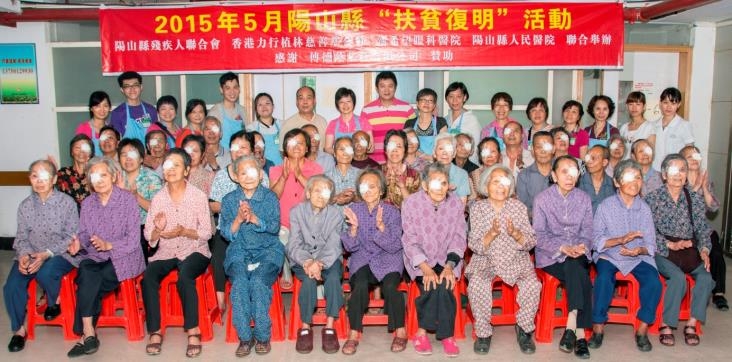
2015年5月18日至23日,手術在陽山縣人民醫院進行,共為150位貧困白內障患者進行復明手術並加放人工晶體。另為19位患者行胬肉切除手術 (原因1.因胬肉阻擋,需要先切除,下期再安排白內障手術。原因2.胬肉遮蓋,影響視力)。


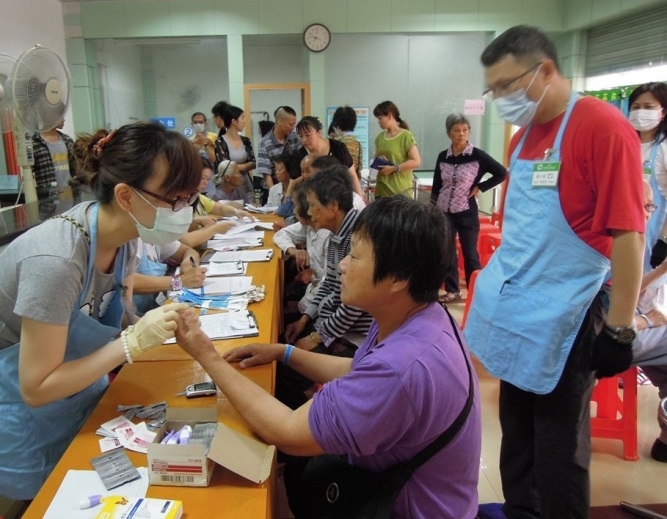
同時免費為患者作手術前體檢 (包括量血壓、血糖及血常規、心電圖、X光胸透) 。


術前和術後,香港義工及醫療隊都會向病者家屬詳細解釋如何按時用藥、護理傷口,以防感染,病人家屬亦被通知在手術後如有不適時應如何聯絡醫院或縣殘聯。


本次活動經費:感謝 傅德蔭基金有限公司 贊助


5月18日- 20日,預約患者出席率達90%。21日及22日,因為大暴雨,加上有鄉鎮水浸,部份患者因交通中斷而無法到來。我們按輪候名單,由縣殘聯的工作人員逐一通知、確認患者能夠到來治療。


在天氣惡劣的情況下,陽山縣“扶貧復明”活動再一次順利、成功,全賴各有關單位的盡力協助,各鄉鎮的政府人員配合、組織和安排患者到來。感謝各合辦單位及所有參加人員,大家付出了專業精神和無私的奉獻。使貧困白內障患者得到早日復明,重拾人生,再展笑顏。


多謝各位工作人員的付出,下次再會!


後記


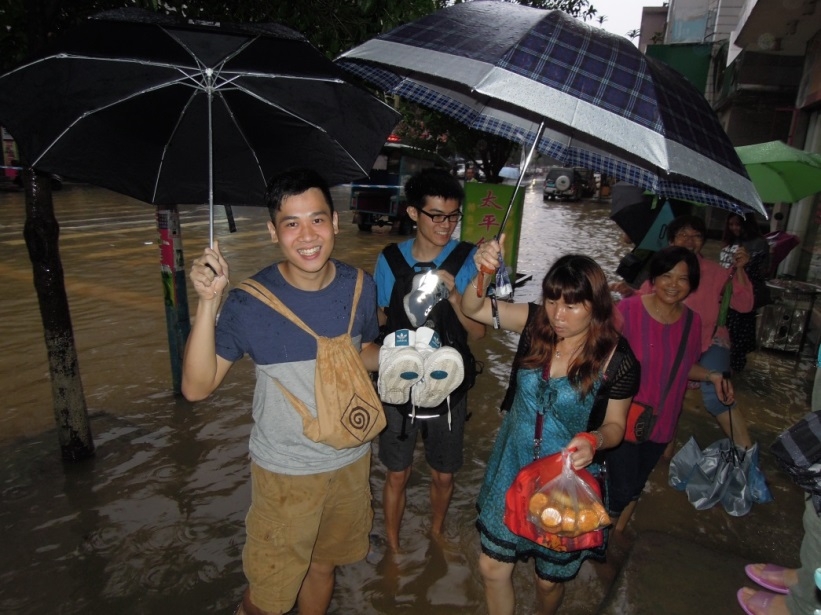
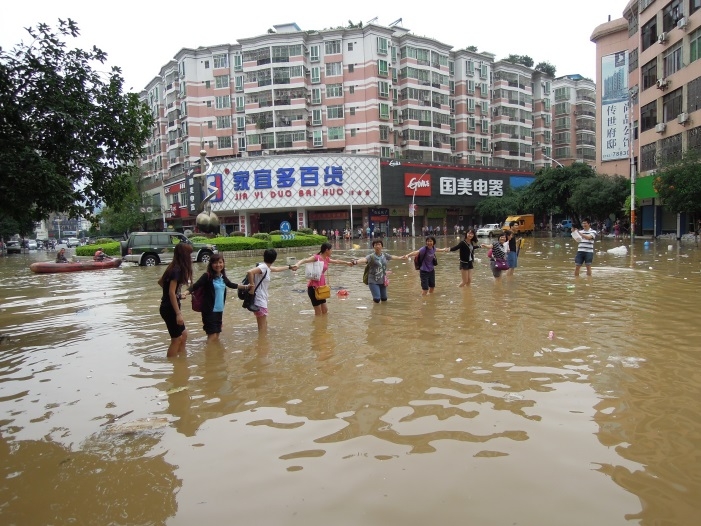
20號大雨,義工晚上離開醫院前,已經合力把儀器、物資轉移到桌上,預防洪水沖入室內。晚飯後,大家都要涉水返回酒店,因為江水倒灌,道路水位不斷上升,令人擔憂。


酒店到醫院,只是過馬路,前行便到,這次路不通行了

21號早上8時。水位在下降,經評估商議後;部份醫生、護士、義工涉水探路,想方法先回到醫院工作。

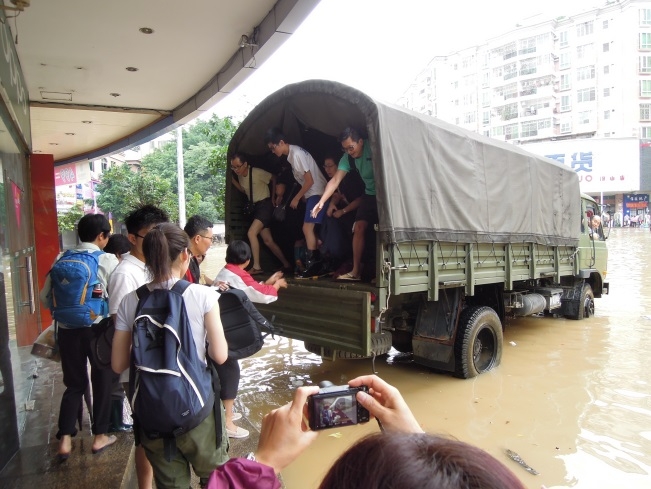
陽山縣武裝部長跟軍車到來協助義工,很感動,我們是備受保護的一群。


雖然天雨,加上水浸,增加了團隊很多的不便,但却沒有影響到大家對工作的熱誠、對到來患者的關懷。


21號到來很多患者和家屬,他們默默地,按義工指示輪候登記,檢查。談話間;才了解到他們有些是由家人背著,涉水前來。有些是走了一大段冤枉路,才找到到進入醫院的後門,…… 幾經波折,却沒有怨言,只是在安靜地配合我們工作,更連連多謝,慰問工作人員,實令人感動。


力行植林慈善基金會 眼科工作組

2015年5月29日

Comments Off

Jun 08 2015

2015年英德市“扶貧復明”簡報(鄧月嫻)

Published by under 扶貧復明,英德市

2015年英德市扶貧復明簡報鄧月嫻 ( 3月24日至4月1日 )


在英德市,英雄鎮範圍內展開了眼疾普查,白內障“扶貧復明”手術活動,合作單位包括英德市紅十字會,江門新希望眼科醫院,力行植林慈善基金會共同攜手合作。


2015年3月25日至3月27日下鄉篩查,篩查地點包括沙口衛生院,橫石塘衛生院,望埠衛生院及英紅醫院。篩查活動資料如下:


義診日期

篩查地點

篩查人數

預約白內障手術

預約胬肉切除

3月25日

上午 –沙口

50人

22人

1人

下午 –橫石塘

88人

32人

1人

26日

望埠

106人

36人

3人

27日

英紅醫院

163人

63人

6人

合計

407人

153

11


今次下鄉篩查,多謝各衛生院及醫院的合作,安排了良好的地方給我們運作。而當地鄉民夾雜客家話,普通話及鄉間方言等,有時義工們不得不求助陪人或醫院護士翻譯。雖然大家有時言語不通,但看到患者手持手術通知書從診室走出來,臉上的喜悅,及陪人的聲聲多謝,這對醫療隊及義工們的工作是作出了鼓勵。


村民輪候,按序登記,檢查


2015年3月28日至4月1日,流動眼科手術車停泊在英德,英紅鎮,英紅醫院(舊茶場醫院)進行了“扶貧復明”手術,出席率達至95%以上,但很可惜每天都有15%以上的患者,不是血壓高,血糖高,眼底變壞而不能手術,眼看他們帶著失望離去,實令人心痛不矣。


今次下鄉篩查共發出153例白內障手術及11例胬肉手術通知書,名額已超越了基金會所定的數量(120例)。但醫者父母心,基金會和醫療隊都義不容辭地加開多一天手術期,最終完成名額是白內障119例,胬肉13例,手術完成共132例。


在此要多謝英紅醫院曾小倫院長的安排,張明智副院長的協助,及醫院內各護士及醫生的熱心幫忙,使我們在醫院內運作十分順暢。此外,紅十字會及鎮政府的落力宣傳,使很多在偏遠貧瘠山區的居民得以知悉這次的活動,前來參加檢查,實功德無量。最重要是新希望眼科醫院派出來醫療隊各成員的辛苦工作,更加是值得表揚,當然香港義工隊各成員無私的付出,在此無言感激。


而支持今次“扶貧復明”活動的善心人士,包括黃潔鋆女士,梁施鳴玉女士,黃利輝先生,吳文彪先生,吳家鋒先生,陳秀雲女士,李肇安及關綺蓮伉儷,李子謙先生,多謝您們的慷慨,使患者從黑暗中從出來,善長為患者帶來光明的前途,祝各位福澤綿綿。


力行植林慈善基金會

義工 鄧月嫻

2015年4月5日

Comments Off

May 31 2015

2015年3月英德“扶貧復明”活動 義工分享 (余馨庭)

Published by under 扶貧復明,英德市

20153月英德“扶貧復明”活動義工分享 (余馨庭)


這次是我首次以義工的身份前往內地參與服務, 出發前對這地方的認識都是很片面。在這短短的幾天裏,所看到,學到的遠比我所想的多。


這幾天的篩查都在英德市的範圍內進行,到訪的地方有沙口衛生院,橫石塘衛生院,望埠衛生院,及其後會進行手術的英紅醫院。在這幾個地方所遇到的村民生活大都簡樸,偶有少數衣著相對光鮮,但與香港的生活水平相比,都只是微不足道。他們的衣履都較殘舊,有部分甚至經已多番修補,留下歷史的點點痕跡。其中我見有為數不少的人都穿上相似的綠色布鞋,從同行的義工口中才知道那些是更窮的一群, 他們的生活緊拙,只能購買幾元一雙的軍布鞋。


剛到步的時候,我們在當地的超市買了不少小蛋糕,同行的義工說是送給前來的村民的。我起初不以為然,其後真正下鄉篩查,看見有部分村民是一早出門,走了超過三個小時才能去到我們檢查的地方,當他們從義工手中接下蛋糕的時候, 我彷彿見到他們的疲累都得以舒緩,安心等候檢查。


在協助醫生檢查的過程中,有不少到來的都符合做手術,對於能有機會從拾視力,他們都萬分感激,甚至抓著只是從旁協助的我的手,向我連番道謝。讓我只能尷尷尬尬地回應:「 不用謝,不用謝。」 然後提醒他們要準時到達醫院準備接受手術。遺憾的是,並不是每位到來的都能做手術,有的因延遲就醫的關係,眼睛已壞得無法做手術改善視力了。我很記得有一位婆婆,由她的兒子陪同到來檢查。她雙眼的視力都非常差,甚至都無法直接坐在方便檢查的小椅上, 需要用手感覺椅子的位置,並有義工及兒子的幫助才可坐下。 當時我看到這婆婆的情況後,心裏第一個想法是:「無法看見這麼久,手術後她便可以有回視力,過一些正常的生活了。」可是當醫生替她檢查以後,發現她的右眼已經患上青光眼,無法做手術,而左眼的白內障則未到可已動手術的階段,無法在這次的篩查中獲得復明的機會。那一刻,婆婆並沒有說什麼,只說了一句:「醫生,麻煩你了! 」便站起由兒子的攙扶下離開了。當下我的心好像給一塊大石拉下了一樣,好像無法理解剛剛所發生的事一樣,只感覺到很酸很酸。正因為家貧,即使知道有眼疾,都無法花錢動手術,只能等候一些慈善團體的義診機會。但當機會到來的時候,卻已過了動手術的時機,無法得到醫治。這是何等的無奈!或許我們無法為當前這位婆婆做什麼,但我很希望其後能多參與義工服務,為這群生活緊据的患者出一分力,減少他們因貧窮而失去治療機會的情況。


一位婆婆背著幼小的孫兒到診所等候檢查的機會。

因延遲醫治,已患上青光眼而未能做手術的婆婆由兒子帶著離開。

英紅醫院,進行檢查的診症室。


在同行的義工身上我也上到一課人生課。他們都是退休人士,本可留在家過著安逸的生活,又何須到這裏做義工呢?但從他們身上看到的活力,對病人著急的心都令人敬佩。起初我也猜不出他們都退休了,被問及保持年輕的方法,他們都道:「能夠幫助人是我的幸福,那麼開心,又怎會不年輕呢?」當社會趨向物質的追求時,彷彿人都忘記了最簡單的方式,便能帶給我們最大的滿足。我很希望將來當我年長的時候,都能有他們這樣的魄力,這樣的心志,以開朗的性格照亮身邊的人,並將盼望帶到遠方有需要的人。


在這短短的幾天,看到無論是同行的義工, 或是隨行的醫護人員,都盡力地服務到來的患者,細心地向他們解說必要的程序,讓我再一次體驗到「醫者父母心」的真意。看到病人臉上的喜悅,亦令我更渴望能以自己的知識幫助有需要的人。生在先進的香港,有病的時候,我們隨時都能有得醫治的機會,但同樣的事在很多的地方都缺乏。這次的經歷讓我看到自己的不足,也看到很多值得學習的地方, 亦令我更希望將來能去到一些落後的地方,給病者治療的機會。


也許我們做的並不多,但這看似微小的努力,卻能為很多的人帶來不一樣的生命。當你願意踏出第一步,你所獲得的會比你能想像的多很多很多。


義工細心地協助村民辨認燈箱上字母的方向。

義工為村民填上資料,準備檢查。


義工 余馨庭 ( 香港大學 醫科一年級)

2015年5月11日

Comments Off

« Prev - Next »