Reflection for Annual Trip at Dongshan 2012
Hou BaiJing HKU Year 1
This summer I joined the annual trip of Medical Outreachers and Dongshan part of the trip was very impressive and I wish to visit children in Dongshan again in the near future.
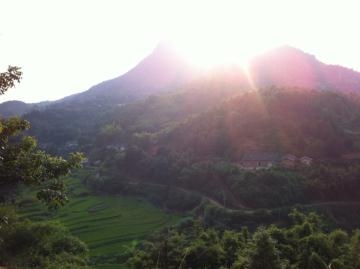
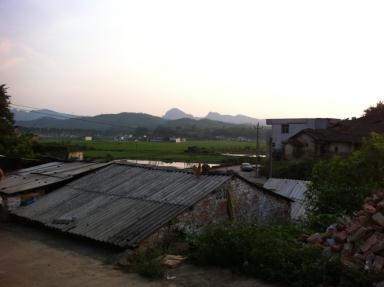
Dongshan part of annual trip lasted for five days and we all made good friends with children there in less-than-a-week time.Dongshan is part of Qingyaun city, Guangdong Province. Villages in Dongshan are surrounded by mountains and there is inadequate water in this area. As a result, Dongshan people are poor and some of them try their best to leave Dongshan to make a better living. Luckily, Green Action started a project there to plant trees to keep and protect water resources. Thanks to the project, many families now do not have to worry about water. Apart from this, Green Action has provided financial support to poor families so that children can proceed their study successfully. I was really impressed by what Green Action has been doing in Dongshan. Children are hope and future of many families, and to a wider extent of the society. Before establishment of education project by Green Action, many children stop school as young as primary school students. Thanks to Green Action, financial problem no longer hinders promotion of study of many capable students. Therefore, contribution to education by Green Action is worth appreciating. However, with limited resources, Green Action can only subsidize students with good performance in academic field. Those less capable students therefore still have to face the cruel reality of poverty and consequences of poverty. Resources of a single NGO are so restrained that it cannot solve all problems in a region. Therefore, I do hope the government can take up the responsibility to invest more in education to provide each student the possibility of receiving further and better esucation. Also, I wish to raise the awareness of education problem in Dongshan among general public. To achieve the goal, as a teammate of publicity team of the trip, we are making a video to present the problem. We do hope the video can arouse interest in Dongshan children and provoke thinking of the problem.
Dongshan trip taught me a lot and I hope to share my impression, witness, thought and inspiration with everyone of you.
Ashleigh Chu (HKU Year1)
Not until meeting those lovely children in Dongshan could I really understand why Dongshan is so attractive to our past participants that they are so eager to re-visit again and again.
Dongshan is no doubt a poor village that beyond my expectation. Can you imagine a place without public lighting facilities and torch is the only essential lighting at night? Or can you imagine a village with only two little stores selling daily necessities? Even more, can you imagine a child living in a cave deep in a forest before being found and sent to school? Before arriving in Dongshan, I could hardly imagine all of these. This annual trip is definitely an eye-opening experience for me.
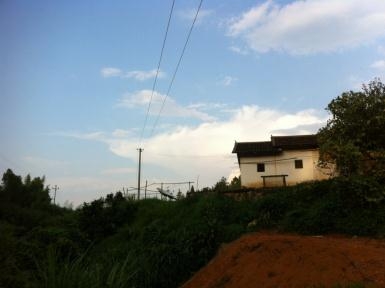
In this trip, we were lucky enough to have chance walking around the village, following children back to their homes, and even having home visits with their family members. I could never forget how poor their living environment was. In Dongshan, people not living in the main street usually live in a one-storey house. Their houses are often wear and tear with little lighting, and most importantly having hundreds of flies flying all around. I could hardly bare those flies even for a one-hour home visit so I do not dare to imagine how to live or sleep with so many flies sticking on us but those children and villagers are so used to these and manage to do so. I feel great sympathy to them for such a bad living condition but besides psychological support and basic medical checkups, what a medical student can or should do to truly help
people living in Dongshan?
Besides the living environment, children in Dongshan are also another essential element that impressed me most. Children there are of diversified background, some are orphans living in dormitory, some are children left behind by parents who need to work in town, some are elder sisters and brothers in the family with more than four younger siblings needed to be take care of, and some are relatively with no financial burdens, such as being the son of store owner. Despite their diverse background, they are common in the same way that they are really eager to play with us, the big sisters and big brothers from Hong Kong, seeking our attention. They treasure us a lot and so do we. In these short days in Dongshan, I am so glad to have made friends with some of them. Making friends with them do not simply mean playing with them but also giving them love and care, which they are quite lack of in their childhood. Through
chatting and writing letters to them, I hope to be their companion along their path to adulthood and I believe this is the reason why we are so eager to revisit this place again and again.
This annual trip to Dongshan is so precious and memorable to me that I would never
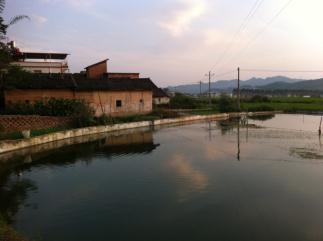
forget any bits of it. I would remember well the smiling faces of the children, the beautiful, unpolluted natural scenery, and most importantly the passion I get to help and serve people in need.
Mak Chun Hei (HKU Year1)
Visiting dongshan was really a valuable experience for me. Before actually going there, I thought my jobs was just to provide voluntary teaching to children, provide health education and conduct basic checkups. However, it was much more than that. We actually made good friends with a lot of children and we gain deep understanding of the difficult situation of the families through home visits. Such experience is valuable and I gain a lot in this trip.
In the first day in Dongshan, we became teachers of Dongshan primary school teaching English and health education. The first lesson was English and we need to teach phonics. To be frank, I was not proficient in English and I knew very little about phonics and I was not well prepared for the lesson. Luckily, one of our teachers had taught this last year and he took up the main role in teaching and I could just occasionally assist his teaching. The second lesson was health education and we taught the pupils the gastrointestinal system. Although my class is primary six, it seemed that they were unfamiliar with the components of gastrointestinal tract and their functions. However, they were quick learners who rapidly memorize the main organs and the functions of the organs in the gastrointestinal system. After one day of teaching, my impression to the pupils was they were quite smart but sometimes not confident enough to answer questions. I think they were as competent as Hong Kong pupils but they were just less fortunate to receive better education.
The second day was a Saturday and we organised a Sports day for the children. I was in the compass team and I had to teach the children the correct way in using compass and then led them to use compass to complete a task. The first group of pupils I had to guide was of primary 2. It seems that they had not learnt about directions and using compass was a bit too difficult for them so we simplified the task for them and explained the concepts in greater detail. But after explanation, they were able to find the 8 directions using the compass. The second group of pupils was of primary 6 and they demonstrate deep knowledge in using compass and they were able to complete the task with minimal assistance. The compass teaching experience had further deepened my impression that the children in Dongshan are actually as smart as their counterparts in Hong Kong or in other developed countries.
The next few days I conducted a few home visits. I think that visiting the student’s home was a good experience. It was because through visiting them, I got to know how far some of the students have to walk to school. Besides, I understood what were the difficulties which they and their families encounter. Although Green Action has greatly improved the water supply in Dongshan, in some months of the year, e.g. June, villagers may have insufficient water supply which made their lives difficult. Moreover, most families had low income which can only merely meet their expenses. In one of the families I visited, the grandfather of the child had a traffic accident a few years ago and the family had to borrow money for the medical cost. They carry a huge debt and this made their lives pretty difficult.
This trip was a valuable life experience for me. It made me understand that there are still many people in China who require our help. Although this service trip may not actually help them to improve their living condition, at least it allow them to know that there still many people out there who love and care about them.
Wendy Leung (CU Year 1)
This trip in Dong Shan is definitely a worth joining trip without any regrets! At the beginning I was quite afraid of not being able to get along with kids. However, when I saw them on the first day, some of them gave me bright smiles and asked me who I am! This gave me courage to start chatting with them and play with them.
Teaching primary five on the first day was a great challenge to me. We were still not familiar to the environment in Dong Shan and the children there. So I was quite embarrassed at the first lesson when I found them not quite responsive. But then I tried to talk to some of them during recess and they started to get more involved in the following lessons. At the last lesson which was game time, we played “The world most…”and they were very active and lively. This was a good experience to me as a teacher as I could see their changes when I saw my “students” getting more and more active and involved in class.
Mowing was also a very special yet unforgettable experience to me as I have never tried to hold a sickle before, no need to mention mowing. On the way to the place for mowing, we needed to hike for about an hour. We were paired up with the children and I got this golden chance to talk to her for quite a long time. I got more familiar with her studies in school, her dreams, her hobbies, her family conditions and so on. This was quite different from the previous days as most of the time we were playing and chatting with a group of children. So we could just talk about some very simple things such as their names and which forms they were in. However, through the way to the mowing place, I could stay with one child only and had a long chat with
her. Therefore, we could talk about more personal stuff. When we arrived at the place of mowing, I was surprised by how skillful the children were in mowing when compared to us! They could clear quite a large area in a short time while I was still struggling with a small piece of land. That day was really a great day to me and I have got a really nice time with the children.
Those days in Dong Shan were great moments to me. Every day I was overwhelmed by the warmth of the children. Every day was a day full of happiness and laughter. Every day was a chance for me to play and chat with kids. It was so worth cherishing that I never wanted the trip to end.
Though Dong Shan was hot and all we got are fans but not air-conditioners, I still love the place and the people there. Their smiling faces are not based on their materialistic comfort, but the close relationships between them and the simple lives they are living. They do not have expensive entertainments, but a basketball can give them tremendous fun. They do not have Haagen- Dazs ice-cream, but an icy bottle of orange juice can give them so much joy. They showed me that simple can be great, and life can be happy just because it is simple.
Janice Liu (CU Year1)
這次是我第一次到訪內地山區。在東山,我們有機會接觸到當地的小朋友及他們的家人,從而增加了對當地人的生活水平和環境的了解,亦令我感到生活在香港的幸福。
當地的小朋友真的十分熱情和活潑,他們上學前後、午飯時間都會到我們宿舍前的地方找我們。雖然他們的物質不太豐富,但他們都生活得很開心,只是隨手拾起些石頭也能玩上大半天。除了跟他們玩耍外,我還到了幾個小朋友的家作家訪。家訪能使我們更深入認識當地人的生活情況。東山大多小朋友的父母都到城市工作,剩下祖父母照顧他們;而他們日常吃的以玉米和蔬菜為主。我們生活在香港真是比他們幸福得多,我們有更多的食物和物質享受,也有父母的照顧。
此外,透過跟當地小學校長的對話,我們知道教育是東山的一個重要問題。小朋友聊聊天後,發覺他們很多都不重視讀書,不太了解讀書的重要。大部分高小的學生當被問到關於升學的問題時,大多的答案都是不知道,。我認為我們可以做的事就是跟他們多談讀書的問題,透過書信鼓勵他們努力讀書,至少也要完成初中的學業。
短短幾天在東山,我們實際上可幫到當地人的東西實不多,不過我希望能透過書信跟小朋友保持聯絡,幫助他們在成長中的需要及遇到的困難,日後再有機會再到東山探望他們。
Antonia Castilho (CU Year2)
跟隨力行到訪東山村,這才是我的第一次。到達東山力行眼科基地的第一印象,是「熱鬧非常」。除了終於和只參加下半部分的其餘十名參加者匯合了外,就是因為眼科中心的門外,已經被小孩子「重重包圍」了!
很久以就聽過曾經到訪東山的朋友說過這裡的事,而我打從那時候便很嚮往親身到訪這個地方。我們到東山的目的,主要是和那裡的留守兒童相處,透過傾談玩樂去跟他們交朋友,又透過家訪嘗試深入了解他們的家庭背景和生活狀況。若發現充滿潛質但又因家境貧困而未能升學的孩子,我們就有責任告知力行的負責人,商量一下是否能提供經濟援助給他們。而為求達到更深入和全面的了解,和能掌握他們隨著成長的轉變,這項工作是需要長期付出的 — 我們當中有不少是曾多次到東山來過的義工。他們對東山的小朋友已建立了較深厚的友誼,而且都會以書信保持來往,以增進彼此間的了解。最初,我有點兒擔心,擔心自己會不會不懂得和這些成長經歷和我這樣不同的小孩交往呢?後來我發現,這些孩子想和我們交朋友的熱心程度真能打破許多隔膜,他們絕不會讓任何一位哥哥姐姐被冷落!反而,連很多初次到訪的同學都終日被小孩子「鎖定」了,一大清早還未張開眼的時候已經能聽到小孩呼喚著哥哥姐姐的聲音了。
我們在東山的數天裡,除了和小孩玩耍外,也要當他們的老師,和他們上健康教育、道德教育和英語課。此外,有一天我們在小朋友的帶領下,手執鐮刀往山上斬除雜草去,感受一下農村生活之餘又為力行的植樹工作出一分力,而且上山的過程中給予了我們和孩子單獨談話的好機會。或許是由於家境困迫使東山的孩子在成長中經歷很多磨練吧,這些孩子都比城市的小孩成熟懂事些。可惜的是,他們在面對升學就業的問題上,都會寧願早些離鄉找工作以支持家庭的生計而放棄繼續升學的機會,或從小就覺得念書是既浪費金錢又浪費時間的無聊事,無心向學。到後來才會發覺,未完成初中的話根本不會找到甚麼好工作,而城市的生活指數高,到了外面工作連自己都是勉勉強強撐過去,哪有多餘的錢寄回家養弟弟妹妹呢?所以我們帶著自己是由城市來的大學生的身分和小孩們接觸,很希望能夠感染他們,給他們一點點的激勵,一點點的啟發。我們告訴他們,「其實這個世界比你想像中大」、「知識就是力量」,不知道他們能否真正明白,但假如我們的存在能影響到他們將來的人生抉擇,或許,有一、兩個人的命運從此就改變了;或許,他們有一天都能脫離貧困!這就是我們的期盼。
然而,我覺得農村裡的生活亦非我們想像中簡單,我們若硬把自己的價值觀套用在別人的身上,有時候對他來說未必是最好的……我認為這種道理我們都需要慢慢學習,逐步累積經驗。希望日後我會有機會再到東山這個地方,除了更深入了解這裡的人外,亦藉此更深入了解自己 — 願我在這裡學到的,不僅能幫助這些小孩,更能使我成為更好的醫生,幫助我未來的每一位病人!
Jiminy Liu (CU Year2)
第三次來到東山,讓我更深入認識東山的小朋友,也更深入感受我們可以為他們做的事不多。可是,我從他們身上學到的,卻比我原來想像的,愈來愈多…
小朋友的成長給我很多鼓勵。他們生活這麼艱難,卻有很強的韌力,不但在家裏幫忙照顧家人,做家務,下田,還會爭取時間學習。東山的小朋友的童心裏藏著對殘酷現實世界的認識,他們比我平常接觸的香港小孩複雜得多。因此,我必須多探訪他們,認識他們更多。
我常想像,如果我們這群在溫室生活慣的香港青年被送到東山,我們能否跟小朋友一樣把生活各方面處理得那麼周到呢?想到這裡,不由得感到慚愧。我們常常跟小朋友談遙遠的夢想,卻避開了現實的問題。對東山小朋友而言,夢想可能是美麗的謊言。空談夢想,不但難要幫助小朋友,更可能令他們承受更大的壓力。東山的小朋友要達成夢想,就要征服一個又一個的現實阻礙。我們除了讓他們知道自己的夢想,還要理解他們的實況,想辦法幫他們一步一步地邁向目標。
這次探望的其中一位小朋友告訴我,她的家有很多經濟問題,哥哥甚至因此而要被迫輟學。當時我想,過去的一年,我不斷告訴她努力讀書就能改變命運,但其實我根本不了解她求學路最大的問題不是心態,而是金錢。
來過幾次之後,我發覺一開始的我真的太高要求了,以為去接觸這班小朋友一次,就可以改變他們的想法,令他們的生命有重大的改變。東山的小朋友不但心智比正常小孩成熟,他們的背景更是我們難以設身處地想像的。來過幾次後,我發現我們真的要一步一步的先認識那些小朋友,知道更多他們的性格,成績和家庭背景等,也要讓小朋友對我們慢慢建立信心,這樣我們才能站在他們的同一位置,給他們最有用的支持。
Felip Lai (CU Year1)
在這次東山之旅中,我們探訪了很多留守兒童的家庭。他們的父母都因為不同的原因不在家,有些是出去城市打工,有些是父母離異。而兒童多由祖父母照顧。他們的家庭環境大多欠佳,三餐溫飽成問題,房子破落,衛生情況欠佳。在缺乏父母的照顧下,在加上祖父母要下田工作,部分兒童缺乏家庭溫暖,非常可憐。其實我很同情他們的處境。同時,我也非常欣賞村民堅強的個性。即使環境差劣,他們也會努力生存下去。
與兒童相處和玩樂時,他們表面上很高興。但開心的背後隱藏著很多的痛苦故事﹑很多困難。這些並不是玩樂時所能發掘的,而是要仔細與他們溝通才會知道。與他們溝通後發現,部分學生即使成績良好,也打算輟學出城打工賺錢,為的就是改善家庭生活或支持弟妹繼續學習。為此,我感到很可惜,如果他們繼續讀書,將來的工作和收入肯定可以比現在出去工作高。
我也深深感受到內地教育所面對的問題。透過入班教學,我發現他們的學習差異非常大。能力高的同學吸收到的知識遠比能力稍遜的同學高,導致老師教學時很難遷就不同同學的能力,亦導致同學上課未能專注。而且,學生要上初中便要到鎮上上學,要上高中更要到城市去。一方面令上學變得非常不方便,另一方面令同學要離鄉,非常痛苦。與他們相比,我們在讀書上所遇到困難比他們小,因此我們更應該好好讀書。相比之下,我們在香港生活真的非常幸福,要好好珍惜啊。
Karen Yueng (HKU Year1)
今次是我第二次通過力行植林慈善基金會到內地進行服務工作。上一次到陽山縣參與「扶貧復明」- 白內障手術篩查的時候,只感覺到村民的生活素質一點也不富足,但是經過今次東山一行,就親身體會到貧窮對中國農村家庭的影響。
貧窮,不是單單的沒有錢買食物、生活用品,而是一連串的問題,不是單單靠錢就能夠解決。一個地方的居民貧困的話,當地政府就沒有稅收,沒有稅收,就沒有錢搞好經濟、基建,更不用說教育了。沒有良好的教育,小朋友就沒有能力考入高中、大學。在這個沒有文憑「沙紙」就沒有好收入的社會裡面,這些小朋友的將來,就只有繼續貧窮下去。
我曾經問過好幾個小朋友:「你有聽過『書中自有黃金屋』嗎?」他們都說,他們聽說過,但是他們不相信這個道理。我沒有問他們為何這樣說,因為我也知道,就是考上了高中、大學,要付的學費又可以從哪裡來?根本就沒有錢。
在香港,我們只要努力讀書,政府就會借錢給你繼續讀上去,但在東山,你就是有能力,付不了錢就沒有升學的機會了。他們寧願中三畢業就快快打工賺錢養家,像爸爸媽媽、哥哥姊姊一樣。雖然我們這一趟能夠帶給他們的不是太多,可能是幾天嘻嘻哈哈的歡樂,可能是一點點的人生道理,可能甚麼都沒有……但我希望,將來通過與他們更多的接觸,能夠對他們的生命做出一點點的改變,協助他們脫貧。
譚慧琳 CU Year 1
東山之旅,最令我意想不到的,就是我不只是付出了,而是獲得了。出發到東山以先,我一心希望能將我的關心送給當地的村民,令他們知道他們並不是被忽略的一群,同時也希望能透過一些教學的環節,將我所知道部分的衛生知識教導小朋友們,增加他們的衛生意識。此外,也是希望家訪時能向老人家們送上祝福,同時,也能為他們作簡單的身體檢查等。我一直都認為醫學行的目的就是要提供機會讓我能多服務他人,讓我能帶給他們什麼什麼的,但原來,我錯了。 是次東山行,讓我穫得了不少。
家訪,讓我明白到自己的幸福。當地的村民的確很貧窮,家徒四壁,有些家庭就連電視也沒有。他們每天每餐也離不開麥羹,因為他們根本就沒有的其他選擇。雞肉牛肉這些如此奢侈的食物,也只是每逢過節才有機會吃得到。有些家庭幾代十多人都住在同一個屋簷下,他們種地賺來的錢就不夠他們生活。但他們並沒有因此而放棄生活。反之,有部分香港人卻因厭倦生活而放棄人生。相比起他們,我們的年輕人實在太容易選擇放棄,做很多的事情,學什麼的也只是三分鐘熱度。這種態度實在不要得。每一次家訪,小朋友的公公婆婆們都會很熱情的招待我們,甚至會邀請我們留下來一起吃晚飯。雖然他們連自己的份也不夠,但他們仍如此熱情的招待我們,實在令我感動。我們做的對於我們來說還只是很少,就是去探一探他們,問候他們幾句,但他們卻願意將他們有的大部分,與我們分享,實在不得不感動吧。
教學,燃起我要更努力讀書的心。看到那些小朋友,雖然家境貧困,他們仍努力讀書,讓我覺得自己很不勤奮。我是被安排教學前班。 學前班的小朋友們非常可愛,每天都帶著笑臉非常活潑的來上課。雖然教的很少,就ABC而已,但和他們一起玩耍,也就是很快樂。當然學前班的小朋友談不上什麼勤力不勤力,但當我於課餘時間接觸其他小朋友的時候,還有從同學的口中,都發現農村的小朋友都很用功讀書。雖然他們的生活的環境和條件都比我們差幾倍,但他們學習的心比我們更熱衷。相比起他們,我們既有良好優厚的生活環境,且有很多學術上支援的時候,不是應更用心的去讀書,學習做一個好醫生嗎?
最後,很高興我不只在這醫學行獲得到知識,學習到不少,更贏得了多份天真無邪的友誼。東山的小朋友都很可愛,每天他們放學後都會來找我們哥哥姐姐玩耍。雖然經過一天的教學己很累,但只要見到他們的笑容,就一點也無阻我們和他們玩耍的心情。與他們在一起的那幾天,我發現其實開心真的可以很簡單。雖然當地村民真的不富裕,我們也沒有什麼wii,ipad的電子產品,但也可以玩得很愉快。雖然生活簡單,但卻可比於香港生活快樂。有時候,到底一個人快樂不快樂,可能也真的視乎心態。若我們能像小朋友般不怎麼比較和埋怨,常抱樂觀的心態,我們也很容易能滿足,能快樂起來。最後一天走的時候,我真的很不捨得他們,很不想失去這份珍貴的友誼。希望以後能繼續以書信溝通,繼續保持聯絡,成為他們成長路上一個好朋友,或有機會的話更可再到東山找他們!
Au Chi Chun ( CU Year 2)
東山,已經第三次來到了。從第一次開始單純去接觸這些小孩,探訪這些家庭,去認識、了解這個地方,到現在第三次來到這個地方,一切也熟悉了許多,小孩的關係也成功的建立起來。一次一次的到來,也看到一次一次一些正面的改變。
小孩們縱然十分天真無邪,也懂得分辨哥哥姐姐對他們的關心。有好些小朋友,第一次第二次也沒有很多溝通的時間或者機會,但他們看見你一次一次的來到時,他們也知道這一個哥哥姐姐是真的關心他們,關係也慢慢建立。我一直在跟進的一個比較沉默的小朋友,也開始願意和我交談多一點,分享多一點,發現關係不再需要以討好他們的方式來建立,因為當你真正疼愛他們的心,他們已經明白了。
也發現,原來哥哥姐姐一些簡單的說話,也為他們帶來一些影響。我曾不經意地和一女孩開玩笑說:Janice 這個名字我覺得不適合你喎!沒想到她竟然會回信說:那你幫我起一個新名字好嗎?家訪的時候也發現到,有些時候一些簡單衛生的小建議,父母聽到後下年再來家庭環境真的改善了!這些也是意想不到的事。
看到孩子們的長大,真的很開心。願這一份關係,能繼續承傳,直到他們真真
正正長大,我們也其實一同學習著、成長著啊!
最後都思想了一些個人所見東山的問題:
成長上:
營養不足影響發育的問題
學習上:
學習動力不足
英語數學基礎不穩
個別家庭問題:
家庭重男輕女的問題
單親家庭的問題
Kah Hie Wong (HKU Year 2)
小孩子,对我而言,像张白纸,一出娘胎,天真无邪。今日我们所见到的每一位小孩,都是主要由父母、公公婆婆,以及环境的一点一滴所雕塑而成的。因为小孩将来长大成人之后,会成为社会的栋梁,所以,如此,便会影响一个人的一生了!
正所谓: “三岁定终生”,通过这个东山之旅,我更能深深地体会到。这也是为什么我们的东山之旅主要是在小孩子的方面着手,从而深入至家庭探访。有机会做家庭探访的小孩子,更是让我深深了解到小孩子的言行举止、思想行为,都是有迹可寻的。例如,小孩子是否注重个人卫生,每天洗澡刷牙,视乎监护人是否有严加管教,本身是否亦注重个人卫生,同时也视乎家境是否负担得起平日所须的牙刷及牙膏。住在大径街的家庭大致上相对来说较为富裕,因此,大致上并没有个人卫生的问题。而住在上坪及下坪的家庭则是恰好相反。
因此,除了以种植生态林,植林造水,以及提供部分医疗服务来改善当地居民的生活,力行植林慈善基金会也非常重视教育以及小孩的生活环境,因为良好的教育以及生活环境可以将一个小孩子塑造成一位国家栋梁,改变家境贫穷的宿命。久而久之,甚至有希望改善整条村落,延伸至整个东山的贫境了。当然,这不是一朝一夕的易事,还需要各方的支持,各界长期以来的耐心、努力,才是有可能达成的壮志伟愿。
然而,同时,我发觉自己是多么的微不足道。只能待在东山短短6天,说实在的,真的无法对当地的居民以及小孩子带来任何改变。例如,一位8岁的小孩是由他过去的8年里,每一天家人,环境及教育所带来的影响塑造而成的,总共加起来就有2920天。那么,我在东山只有那天壤之别的6天,又做得了什么呢?但是,经过几天的相处以及家庭探访之后,我发现,我们可以带给这群小孩子的,并不仅是这几天短暂的欢笑、相机、人力车。因为我们向他们说的话,即便有时候是一些不经意的话,他们都会牢牢记着,留在他们的记忆里。所以就算我们不能常常在他们的身边,那些话也会留在他们的脑海里,继续在他们的生命里,影响着他们。这或许是因为我们是所谓从“远方”来的,所以特为珍稀,从“远方”带来的祝福,爱和关怀,也被每一个小孩子以及绝大部分的家长珍惜、珍藏。
当然,我相信有时候,他们会忘记我们曾给他们的一些鼓励的话语,或者一些他们并不是很爱听的劝告,所以,我非常地欣慰我们可以继续通信,保持联络,增进感情,常常提醒、督促他们,并继续关注、了解他们生活中的一点一滴,希望我们可以继续在他们的生命中影响他们。或许在短短一年之后回去东山探望他们,他们会有意想不到的改变呢?。。。
Chris Cheung ( HKU Year1 )
隨著科技的發展,上一次用紙筆寫信,不知是多久前的事了。然而,今天我卻一口氣寫了十多封信。
我是寫信給東山的孩子們。在這個貧窮的地區逗留了五天,與當地的孩子們熟絡了不少。居住在這個貧窮的地區,經過跟他們的溝通和家訪後,我們對這裡的情況也有點認知了。大部份的東山人都是以耕作維生,同時,有很多孩子的父母也到了異鄉打工,掙錢養家。因此,很多孩子不但缺乏了基本的生活所需,同時也失去了應得的父母關懷。我們也只好盡盡綿力,關懷一下這些小孩吧。
也許,我們關愛這些小孩,的確不能替他們脫離貧窮的問題。沒錯,若東山需要脫貧,只是給予關懷一定是不足夠的。即使不斷捐款也不能解決問題,因為那裡的人們根本不知道致富的方法。他們那裡的風氣,不是希望孩子們成為有識之士,而是要求他們實實際際的早日出來工作,減輕家庭的經濟負擔。要社會富有,就要有基本的建設、知識和科技,因此,若此風氣持續,東山也很難會富有。以我們能做的,也許就只有給予關懷。
即使如此,經過了這次旅程,我從東山人中領略到了一點道理。我們從香港來的人,有高的生活水平,但是,我們真的生活得快活嗎?即使生活清貧,在東山人的臉上,總是帶著笑容;家訪時,也有很多受訪者說他們滿意現在的生活。快樂,其實可以很簡單。經歷了這次旅程,自己的確學到了不少,同時,我也希望能為孩子們成長的路途中,塗上一點點的色彩。